Services
Engineering Capabilities
From pile height design and BOP design through to project management and constructability engineering, explore the full range of technical and project support services we deliver across renewable energy and infrastructure projects.
Service
Pile Height Design
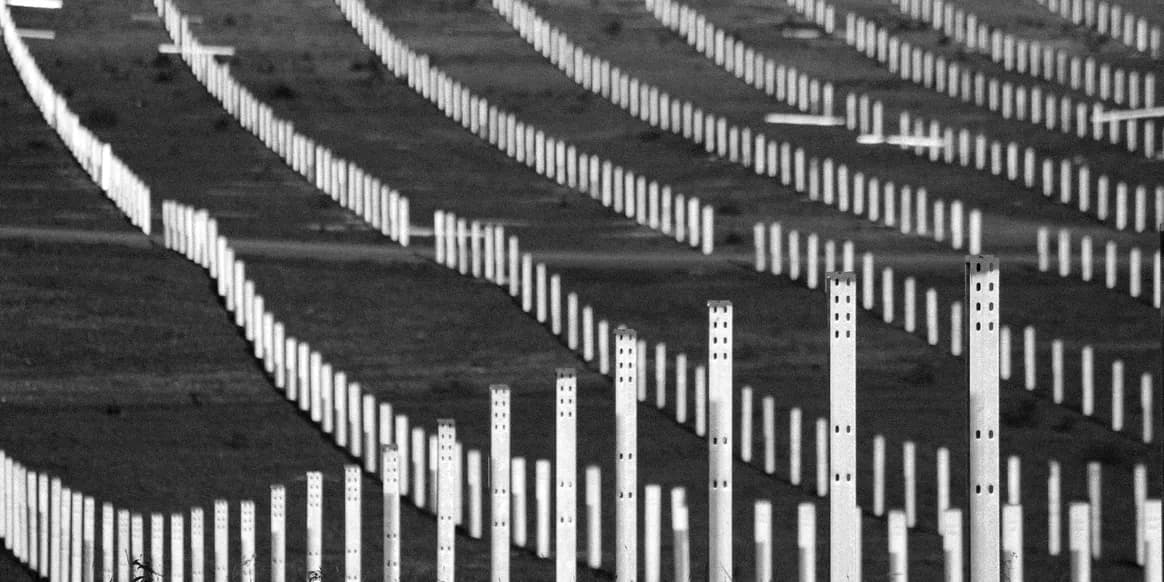
Our pile height design services translate detailed terrain survey data into accurate, buildable pile height schedules for standard and terrain-following tracker systems. Using a custom-built optimisation engine, we generate pile heights that meet tracker manufacturer tolerances to reduce unnecessary grading, minimise cut and fill volumes, and limit disturbance to existing ground conditions.
Every site presents a different balance between earthworks cost, tracker structural limits, site hydrology and long-term array performance. We model these trade-offs directly, iterating pile height solutions to keep the array within the tolerances set by the tracker OEM while avoiding excessive grading that adds cost and extends programme. Where terrain is particularly challenging, we seamlessly integrate the bulk earthworks design with civil, hydrological, structural and electrical designs to produce a holistic solution that is genuinely constructable.
We issue pile height schedules and full surface model ready for construction, clearly referenced to survey control points and easy for site teams to verify in the field. As surveys are updated or design conditions change through the project lifecycle, we revisit and reissue the model — keeping pile data accurate all the way through to installation, not just at the design stage.
Service
BOP Design
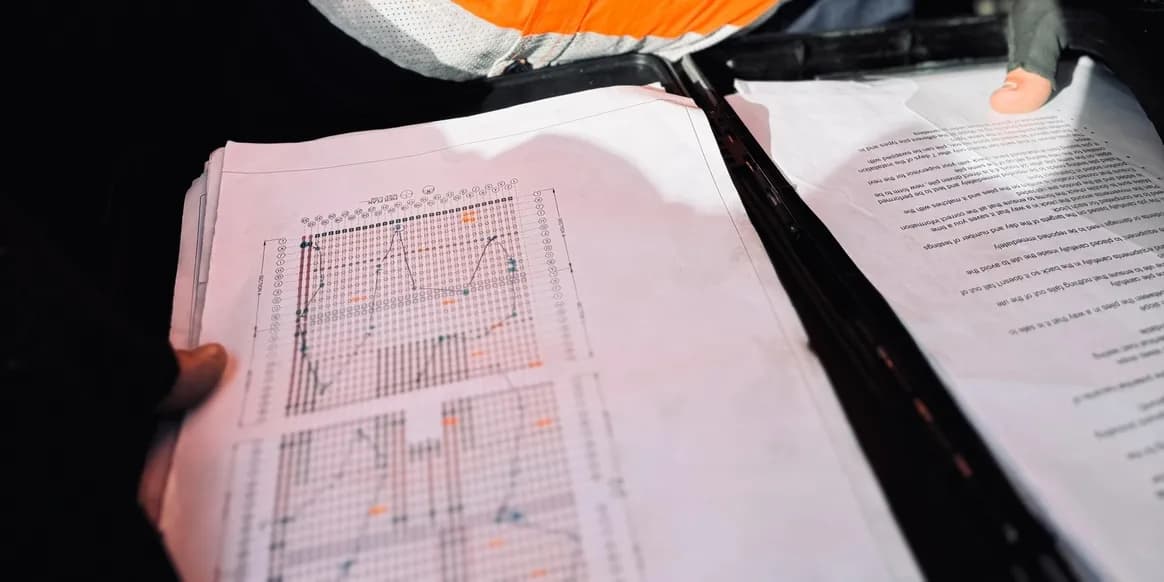
We provide multidisciplinary Balance of Plant design services covering the civil, structural, mechanical and electrical infrastructure that supports a renewable energy facility beyond the generation equipment itself. This includes internal access roads, hardstand and laydown areas, site drainage and stormwater management, cable design and reticulation, and foundation design for ancillary structures such as inverter stations, substations and site buildings.
Because BOP design touches so many disciplines at once, coordination is where most projects lose time and budget. We manage that coordination directly — aligning civil, structural and electrical design so routing, foundations and access infrastructure work together from the outset, rather than being resolved through costly clashes and rework once construction has started.
Our design packages are developed with both approvals processes and on-site construction teams in mind, striking a balance between the documentation detail regulators and financiers expect and the practical clarity contractors need to build from. The result is a BOP design that's technically robust, coordinated across disciplines, and genuinely ready to construct.
Service
Pile Load Testing
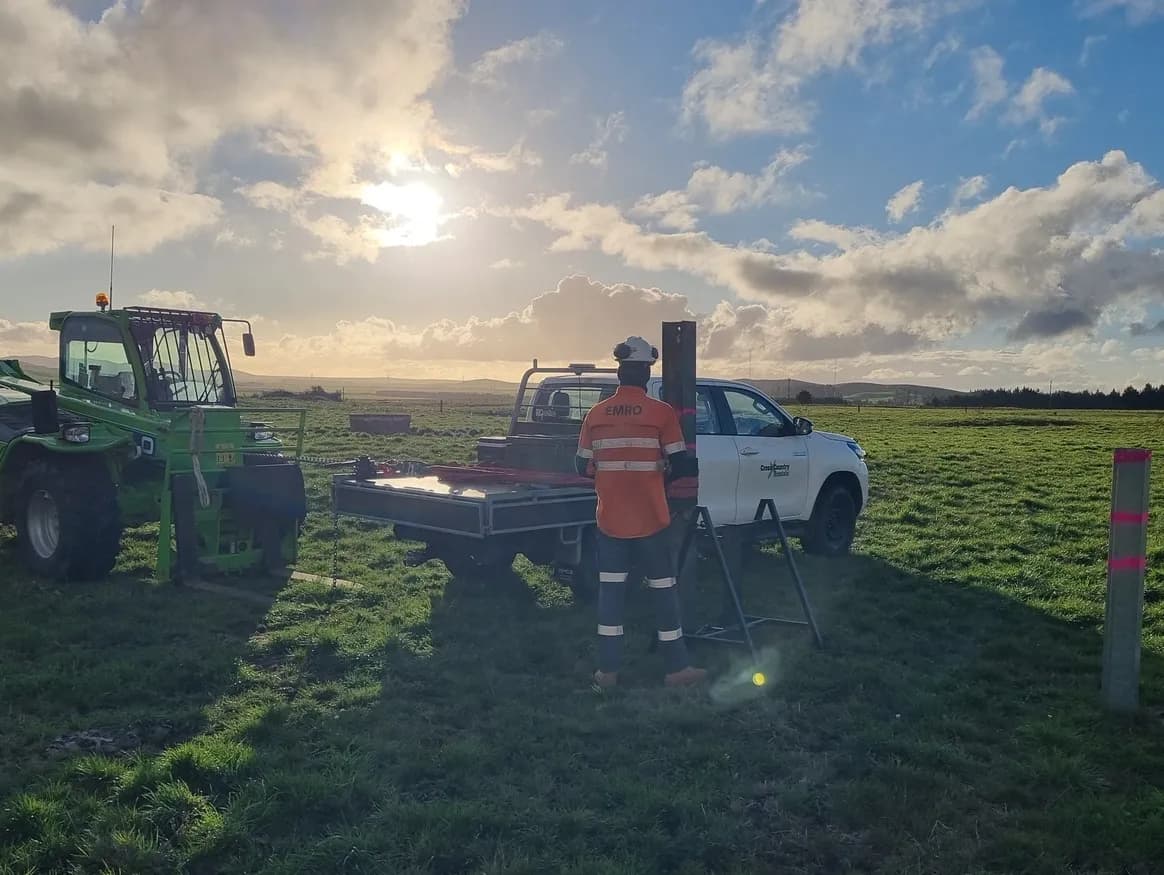
We deliver static and dynamic pile load testing programs — lateral, compressive and uplift — that give tracker OEMs, EPC contractors and developers confidence in foundation performance before full-scale construction begins. Testing is planned around actual site soil conditions and the structural requirements of the tracker system being installed, so results are directly relevant to the design being built, not a generic reference case.
Field testing is only half the value — how the data is captured, analysed and reported determines whether it can actually be used. Our high-quality engineering reports provide results to a standard suitable for direct input into pile embedment design and tracker optimisation, working closely with tracker manufacturers and geotechnical engineers to interpret results in context rather than delivering raw numbers without engineering judgement attached.
Identifying unexpected ground conditions during a structured testing program, rather than mid-construction, is one of the most effective ways to protect a project's budget and schedule. Where testing reveals conditions that differ from assumptions, we help resolve the implications early — before it becomes a field problem affecting installed piles across the site.
Service
Project Management
Our project management services support developers, asset owners and EPC contractors from early planning through to final completion. We coordinate design inputs across engineering disciplines, manage technical interfaces between contractors and suppliers, and provide client-side oversight to keep programme, budget and quality outcomes aligned with project objectives.
What sets our project management apart is that our team also works hands-on in design and construction support day to day. That means project decisions are informed by practical, field-level understanding of how designs actually get built — not a purely administrative view of milestones and reporting. We're able to spot technical issues early, ask the right questions of designers and contractors, and translate engineering detail into decisions clients can act on with confidence.
We tailor our involvement to what each project actually needs — sometimes that's a light-touch technical advisory role, sometimes it's full client-side project management across an entire delivery programme. In both cases, our focus stays the same: keeping projects moving, keeping stakeholders informed, and resolving issues before they become costly.
Service
Constructability Engineering
We provide constructability engineering input at the stage where it has the greatest impact — before construction starts. Our reviews assess design documentation from an installation-sequencing and buildability perspective, identifying opportunities to improve installation efficiency, reduce site risk, and avoid the cost and programme impacts of late-stage design changes.
This work goes beyond a simple design check. We evaluate methodology assumptions, compare alternative construction approaches, and consider how a design will actually perform once real site conditions, equipment availability and workforce sequencing are factored in. Where a more constructable alternative exists without compromising the engineering intent, we bring it forward for consideration early, while changes are still inexpensive to make.
The outcome is a design package that's easier to construct, easier to sequence on site, and considerably less likely to generate variations, delays or disputes once contractors are mobilised. For clients managing tight construction windows or complex multi-contractor sites, this kind of upfront review consistently pays for itself many times over.
Service
Site Assessment
Our site assessment services support early-stage project decision-making, from initial feasibility through to detailed design planning. We evaluate site constraints — including topography, access, ground conditions, drainage and existing infrastructure — to identify risks and opportunities before they become costly design or construction issues.
This work directly supports development approvals processes and engineering due diligence for acquisitions and financing, giving developers, financiers and asset owners a clear, defensible technical picture of a site's suitability and constraints. Where a site presents unusual challenges — difficult terrain, environmental sensitivities, or access limitations — we flag these clearly and early, so project teams can plan around them rather than discovering them during construction.
We scale each assessment to the stage of the project, from high-level feasibility screening suited to early site selection, through to detailed pre-construction site evaluation that feeds directly into layout, staging and construction methodology decisions. This flexibility means clients get the right level of technical input at the right time, without paying for more detail than a given project stage requires.
Service
Early Works & Pre-Construction
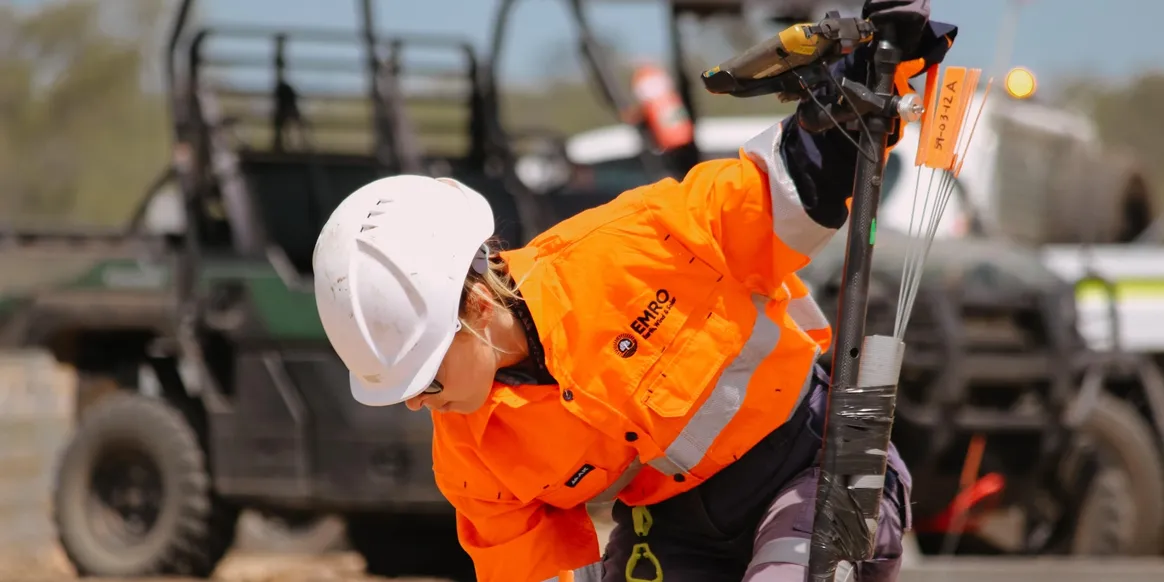
We deliver coordinated early works and pre-construction packages that bring together geotechnical investigation, survey, pile testing, hydrology and preliminary engineering design under a single, integrated scope. Rather than engaging separate specialists for each discipline and reconciling their findings after the fact, clients get a cohesive early works package from day one.
This integration is where the real value sits. Geotechnical results feed directly into pile design assumptions, survey data informs drainage and hydrology assessments, and preliminary engineering design draws on all of it as it becomes available — rather than each discipline working in isolation and surfacing conflicts late. Because our team runs these workstreams together, findings are cross-checked and reconciled as the project progresses, not discovered as a conflict during detailed design.
This coordinated approach reduces the time and cost typically associated with managing multiple disconnected early-stage investigations, and gives project teams a clearer, more reliable technical picture before committing to full design and construction — reducing the risk of costly surprises once the project moves into delivery.